
James P. Allison, PhD. Nobel Prize in Medicine
UCLA researchers have discovered a new way to activate the stem cells in the hair follicle to make hair grow. The research may lead to new drugs that could promote hair growth for people with baldness or alopecia, which is hair loss associated with such factors as hormonal imbalance, stress, aging or chemotherapy. Hair follicle stem cells are long-lived cells in the hair follicle that are present in the skin and produce hair throughout a person’s lifetime.
- Published in Blog

Opioid Overdose Crisis in America.
UCLA researchers have discovered a new way to activate the stem cells in the hair follicle to make hair grow. The research may lead to new drugs that could promote hair growth for people with baldness or alopecia, which is hair loss associated with such factors as hormonal imbalance, stress, aging or chemotherapy. Hair follicle stem cells are long-lived cells in the hair follicle that are present in the skin and produce hair throughout a person’s lifetime.
- Published in Blog
Autologous mesenchymal stem cell application for cartilage defect in recurrent patellar dislocation: A case report
UCLA researchers have discovered a new way to activate the stem cells in the hair follicle to make hair grow. The research may lead to new drugs that could promote hair growth for people with baldness or alopecia, which is hair loss associated with such factors as hormonal imbalance, stress, aging or chemotherapy. Hair follicle stem cells are long-lived cells in the hair follicle that are present in the skin and produce hair throughout a person’s lifetime.
- Published in Blog
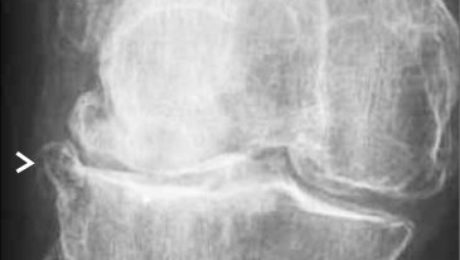
Autologous micro-fragmented adipose tissue for the treatment of diffuse degenerative knee osteoarthritis: an update at 3 year follow-up
UCLA researchers have discovered a new way to activate the stem cells in the hair follicle to make hair grow. The research may lead to new drugs that could promote hair growth for people with baldness or alopecia, which is hair loss associated with such factors as hormonal imbalance, stress, aging or chemotherapy. Hair follicle stem cells are long-lived cells in the hair follicle that are present in the skin and produce hair throughout a person’s lifetime.
- Published in Blog
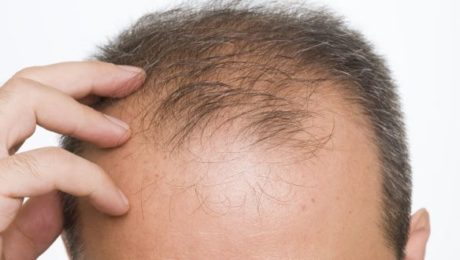
Stem Cells Offer Hope for Hair Growth
UCLA researchers have discovered a new way to activate the stem cells in the hair follicle to make hair grow. The research may lead to new drugs that could promote hair growth for people with baldness or alopecia, which is hair loss associated with such factors as hormonal imbalance, stress, aging or chemotherapy. Hair follicle stem cells are long-lived cells in the hair follicle that are present in the skin and produce hair throughout a person’s lifetime.
- Published in Blog

Which Works Better, Viscosupplementation, or Platelet Rich Plasma?
One of the treatments that the FDA approved for knee arthritis is a Hyalronic Acid (HA) injection, sometimes also known as Viscosupplementation. It has been incredibly successful for knee arthritis. In fact, so successful that many physicians are starting to use it on other parts of the body, like the hip and shoulder, which the FDA does not approve of.
- Published in Blog

How Regenerative Microneedling Can Help Rejuvenate Skin?
One of the main things that causes many people cosmetic distress and low self esteem is acne scarring. Most of us have some kind of experience when it comes down to scarring, but the most embarrassing scars are the ones that are out in the open. Such as on our faces. So what can Platelet Rich Plasma do for this?
- Published in Blog

What’s all the fuss about Regenerative Medicine?
In popular media, the term Regenerative Medicine, or Stem Cell Therapy, are becoming buzz words. This is because the field of medicine and healthcare is expanding and advancing every day, and many new treatments for otherwise common ailments are being discovered. These conditions range from burns, joint pain, strain, and pretty much every other common ailment out there.
- Published in Blog

Platelet-Rich Plasma Vs Stem Cell Therapy: Who’s Bad?
The entire field of orthopedics is looking for new regenerative technology that can save more patients more safely. Currently there are two contenders: Platelet-Rich Plasma and Stem Cell.
While PRP is the safest of the two, it’s really hard to dismiss the remarkable capabilities of stem cell therapy. In fact, I believe it’s the future of regenerative medicine. But not at the level it’s playing right now. Which is a totally different discussion we’ll save for another day.
- Published in Blog

Platelet-Rich Plasma Stays Quietly Popular Despite Neglect
Fact: According to research, PRP treatments are one of the most in-demand treatments available in healthcare.
This is impressive considering the following.
PRP is not supported by the medical industry. No big pharma funding on extensive research or marketing. No medical associations lobbying to increase its awareness.
- Published in Blog

The Growth Factor Showdown: Plasma Vs Fibrin
Yep, it’s Platelet-Rich Plasma. There has been numerous speculations about which one among the latest Platelet-Rich family was the greatest—is it the plasma or the fibrin or even latest the A-fibrin? That confusion is somewhat over now.
Platelet-products are known to facilitate angiogenesis, hemostasis, osteogenesis, and bone growth. But see, the only reason plasma can do that is because of the growth factors it carries. Let’s review the specific roles of these growth factors in the healing process.
Growth Factors In Platelet-Rich Plasma
- Published in Blog

Platelet-Rich Plasma For Breast Augmentation: How it works
“You start out happy that you have no hips or boobs. All of a sudden you get them, and it feels sloppy. Then just when you start liking them, they start drooping.”
Cindy Crawford
- Published in Blog